Pediatric dentistry provides specialized care at every stage of dental development with an emphasis on the oral health needs of newborns, children, and adolescents. A solid foundation for long-term oral health is established by early dental appointments. Pediatric dentists are educated to provide young patients with a pleasant and comfortable dental experience while attending to the special requirements of developing smiles.
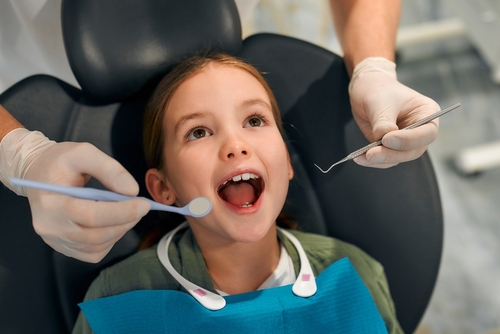
As children grow, their jaws and teeth change quickly, so early observation is crucial. Preventive care, such as regular examinations, cleanings, fluoride treatments, and dental sealants, is emphasized in pediatric dentistry. Due to food, emerging brushing habits, and newly erupted teeth, cavities and decay are widespread in youth and can be prevented with the use of these services. In addition to keeping teeth healthy, preventive care lowers the need for more involved treatment in later life.
A vital component of pediatric dental care is education. Children and parents are taught appropriate brushing and flossing procedures, as well as the significance of a balanced diet for oral health, by pediatric dentists and their colleagues. Children are more likely to have healthy grins as they get older if positive behaviors are instilled in them early. Additionally, parents are given advice on issues including teething, thumb-sucking, using a pacifier, and the consequences of sugar-filled foods and beverages.
When dental problems occur, pediatric dentistry also takes care of restorative needs. Cavities are repaired and damaged teeth are protected with tooth-colored fillings, crowns, and other procedures. Early dental care reduces the risk of pain, infection, and other issues that could compromise permanent teeth. To make operations as stress-free as possible, pediatric dentists employ gentle methods and kid-friendly strategies.
Keeping an eye on how the bite and tooth alignment develop is another crucial component of childhood dentistry. Future alignment problems may be less severe if orthodontic abnormalities are identified early and treated promptly. To evaluate when early treatment may be useful, pediatric dentists frequently collaborate closely with orthodontists.
A key component of pediatric dentistry is providing a good dental experience. Children are less likely to experience dental anxiety in the future if they feel at ease and supported during dental appointments. Dentists are taught behavior management strategies that help kids feel secure and at ease, and pediatric dentistry clinics are made to be friendly and interesting. Children who are really nervous or need more complex care may also have access to sedation options.
Additionally, pediatric dentistry contributes to the treatment of kids with certain medical requirements. Pediatric dentists have the expertise to modify procedures and methods of communication to suit each child’s needs, guaranteeing that each child receives kind and efficient care. Regular dental appointments are encouraged and confidence is strengthened by this individualized approach.
In conclusion, preserving healthy smiles from infancy through puberty depends on pediatric dentistry. Pediatric dentists promote healthy dental growth and assist kids in developing favorable attitudes toward oral health through gentle treatment, education, and preventive care. Early dental care can help families set their kids up for lifelong strong, self-assured, and healthy smiles.