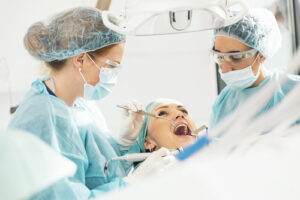
The Benefits of Dental Implants

Dental implants, which closely resemble natural teeth in both functionality and appearance, are among the most cutting-edge and dependable options for replacing lost teeth. Dental implants, as opposed to conventional dentures or bridges, are made to replace the entire tooth, including the root, offering better stability and long-term support for oral health. Dental implants are becoming the go-to choice for patients looking for a long-lasting and aesthetically pleasing tooth replacement as contemporary dentistry develops.
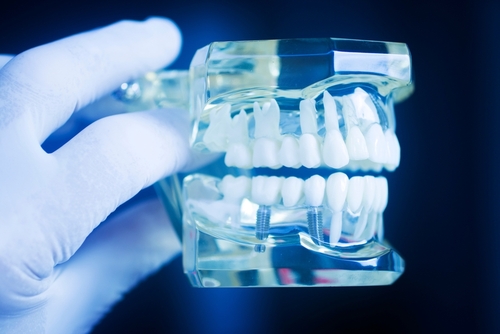
A dental implant is made up of a tiny titanium post that is surgically inserted into the mandible to serve as a substitute tooth root. Through a process known as osseointegration, the implant gradually merges with the surrounding bone to form a solid foundation. A specially designed crown is affixed to the implant after the healing process is finished, restoring the missing tooth’s appearance and functionality. What distinguishes dental implants from other tooth replacement methods is their connection with the jawbone.

The capacity of dental implants to maintain the health of the jawbone is one of their biggest benefits. Due to a lack of stimulation, the bone beneath a missing tooth may start to degenerate. Over time, shifting teeth, facial drooping, and more tooth loss may result from this bone loss. By stimulating the jawbone similarly to how natural tooth roots do, dental implants help stop this process and preserve facial structure and bone density.

Additionally, dental implants are incredibly functional and comfortable. Unlike removable dentures, implants do not shift or slip since they are firmly fixed in the jaw. Because of this steadiness, patients can talk effectively and eat a wide range of foods without fear. In order to create a seamless and natural-looking smile, the implant-supported crown is meticulously crafted to match the size, shape, and color of the surrounding teeth.

The longevity of dental implants is another significant advantage. Implants can endure for many years, if not a lifetime, with good oral care and routine dental examinations. Dental implants stand alone and do not jeopardize nearby teeth, in contrast to bridges, which depend on neighboring teeth for stability and may eventually need to be replaced. They are therefore a long-term, prudent investment in dental health.

Usually including multiple steps, the dental implant procedure is customized to meet the specific requirements of each patient. The implant is inserted into the jawbone during a small surgical procedure following a comprehensive evaluation and imaging. After that, there is a healing phase that enables the implant to fuse with the bone. In certain situations, if there is not enough bone to support the implant, bone grafting could be advised. The final repair is applied to complete the smile after healing is finished.

Implant therapy is now more accurate, pleasant, and effective than ever thanks to developments in dental technology. While contemporary materials improve strength and appearance, digital imaging and guided implant insertion increase precision. Additionally, a large number of patients qualify for immediate-load or same-day implants, which, in some situations, enable quicker rehabilitation. To guarantee a calm and comfortable experience during the surgery, sedation solutions are frequently offered.

Dental implants can support full-arch restorations or replace one or more teeth. For patients who are missing some or all of their teeth, implant-supported bridges and dentures offer a safe substitute that improves stability and quality of life in comparison to conventional removable solutions. These remedies not only fix the smile but also correct facial balance and bite alignment.

In conclusion, dental implants offer a complete and durable remedy for tooth loss. Implants are essential to contemporary restorative dentistry because they improve look, preserve bone health, and restore function. Dental implants are a tried-and-true method of enhancing oral health and general well-being for individuals who want a natural, long-lasting, and self-assured smile.
Kids’ Dental Care

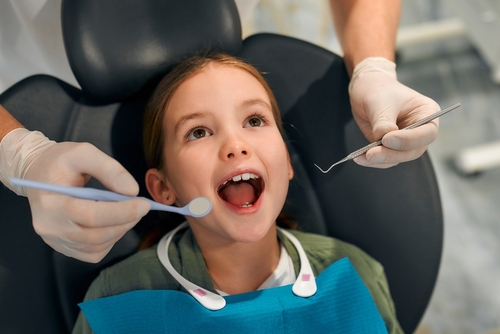
Pediatric dentistry provides specialized care at every stage of dental development with an emphasis on the oral health needs of newborns, children, and adolescents. A solid foundation for long-term oral health is established by early dental appointments. Pediatric dentists are educated to provide young patients with a pleasant and comfortable dental experience while attending to the special requirements of developing smiles.

As children grow, their jaws and teeth change quickly, so early observation is crucial. Preventive care, such as regular examinations, cleanings, fluoride treatments, and dental sealants, is emphasized in pediatric dentistry. Due to food, emerging brushing habits, and newly erupted teeth, cavities and decay are widespread in youth and can be prevented with the use of these services. In addition to keeping teeth healthy, preventive care lowers the need for more involved treatment in later life.

A vital component of pediatric dental care is education. Children and parents are taught appropriate brushing and flossing procedures, as well as the significance of a balanced diet for oral health, by pediatric dentists and their colleagues. Children are more likely to have healthy grins as they get older if positive behaviors are instilled in them early. Additionally, parents are given advice on issues including teething, thumb-sucking, using a pacifier, and the consequences of sugar-filled foods and beverages.

When dental problems occur, pediatric dentistry also takes care of restorative needs. Cavities are repaired and damaged teeth are protected with tooth-colored fillings, crowns, and other procedures. Early dental care reduces the risk of pain, infection, and other issues that could compromise permanent teeth. To make operations as stress-free as possible, pediatric dentists employ gentle methods and kid-friendly strategies.

Keeping an eye on how the bite and tooth alignment develop is another crucial component of childhood dentistry. Future alignment problems may be less severe if orthodontic abnormalities are identified early and treated promptly. To evaluate when early treatment may be useful, pediatric dentists frequently collaborate closely with orthodontists.

A key component of pediatric dentistry is providing a good dental experience. Children are less likely to experience dental anxiety in the future if they feel at ease and supported during dental appointments. Dentists are taught behavior management strategies that help kids feel secure and at ease, and pediatric dentistry clinics are made to be friendly and interesting. Children who are really nervous or need more complex care may also have access to sedation options.

Additionally, pediatric dentistry contributes to the treatment of kids with certain medical requirements. Pediatric dentists have the expertise to modify procedures and methods of communication to suit each child’s needs, guaranteeing that each child receives kind and efficient care. Regular dental appointments are encouraged and confidence is strengthened by this individualized approach.

In conclusion, preserving healthy smiles from infancy through puberty depends on pediatric dentistry. Pediatric dentists promote healthy dental growth and assist kids in developing favorable attitudes toward oral health through gentle treatment, education, and preventive care. Early dental care can help families set their kids up for lifelong strong, self-assured, and healthy smiles.

Why Orthodontics Matters

The specialty area of dentistry known as orthodontics is dedicated to identifying, preventing, and treating misaligned jaws and teeth. In addition to being aesthetically pleasing, proper alignment is also critical for general dental health. Brushing and flossing can be challenging when teeth are crooked or crowded, which raises the risk of gum disease, tooth decay, and other oral health issues. Using a range of methods and tools, orthodontic treatment seeks to improve bite function, improve facial appearance, and support long-term dental health.

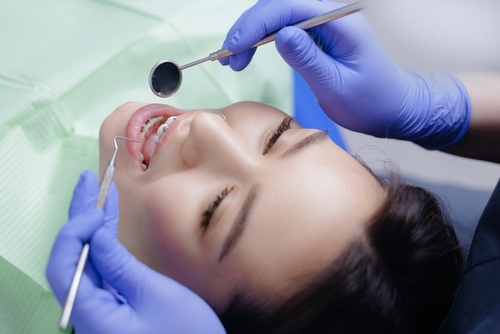
For many years, the mainstay of orthodontic therapy has been traditional braces. These methods gradually realign teeth using brackets, wires, and elastic bands. With alternatives like ceramic or clear braces that match the natural color of the teeth, modern braces are less conspicuous and more pleasant than they were in the past. A variety of alignment problems, such as overcrowding, spacing, overbites, underbites, and crossbites, can be effectively treated with braces.

For patients looking for a covert treatment option, clear aligner systems have grown in popularity as an alternative to traditional braces. Custom-made, detachable trays called clear aligners are used to progressively move teeth into their proper positions. Because they are almost undetectable, patients can continue to seem natural while receiving treatment. Unlike traditional braces, clear aligners are removable for eating, brushing, and flossing, making it easier to maintain good dental hygiene. Using computerized imaging, treatment plans are meticulously created to guarantee accurate tooth movement throughout time.

In addition to straightening teeth, orthodontic treatment tackles functional problems that may impact speaking, chewing, and jaw health. Malocclusions, or misaligned bites, can cause temporomandibular joint (TMJ) issues, migraines, uneven tooth wear, and jaw pain. In order to develop a thorough treatment plan that enhances both function and attractiveness, orthodontists assess the relationship between the teeth, jaws, and facial features. Adults can benefit from orthodontic treatment at any age, but early intervention in childhood or adolescence can prevent more serious issues later.

Frequent orthodontic appointments are necessary to track development and make required corrections. While clear aligners need a fresh set of trays at predetermined intervals, braces may require adjusting wires or replacing elastic bands. To get the best results within the anticipated timeframe, it is essential to wear appliances consistently and adhere to the orthodontist’s instructions. Depending on the case’s complexity, many therapies can last anywhere from a few months to many years.

Orthodontics can significantly improve self-confidence in addition to fixing alignment problems. A person’s appearance, social interactions, and oral hygiene practices can all be improved with a straight, well-aligned smile. The combined functional and cosmetic advantages of this profession are highlighted by the fact that patients who finish orthodontic treatment frequently report higher levels of satisfaction with their general dental health and an increase in self-esteem.

Retainers are usually recommended to maintain the teeth’s new position following active orthodontic treatment. By preventing relapse, retainers make sure that the long-term investment in treatment is maintained. Depending on the patient’s need and the orthodontist’s advice, they could be fixed or detachable. Retainer use along with routine dental exams helps maintain the effects and track general oral health.

Orthodontic treatment is now more accurate and comfortable than ever because to technological developments. Orthodontists can view and forecast tooth movement with astonishing accuracy with to digital scanning, 3D imaging, and computer-assisted treatment planning. For patients of all ages, this increases therapy effectiveness, lessens discomfort, and improves results.

In conclusion, orthodontics is an essential component of dental treatment that enhances the beauty and functionality of the teeth and jaws by fusing science, technology, and artistry. Orthodontic treatment improves dental health, avoids future difficulties, and increases confidence by treating alignment and bite issues. Orthodontics gives patients the means to get a healthier, more appealing, and long-lasting smile, whether through clear aligners or traditional braces.

When Oral Surgery Is Needed

A specialty area of dentistry called oral surgery is dedicated to identifying and treating complicated disorders that impact the jaw, teeth, gums, and adjacent facial structures. Many dental difficulties can be resolved with standard procedures, but in order to improve function, ease pain, and restore oral health, some problems call for surgical skill. In order to assist patients attain long-term comfort and confidence in their smiles, oral surgery is an essential component of complete dental care.

Tooth extraction is one of the most frequent causes of oral surgery. General dentists frequently do straightforward extractions, however teeth that are badly damaged or impacted may need to be surgically removed. Wisdom teeth are a common example because they frequently don’t have enough room to erupt correctly. If neglected, impacted wisdom teeth can cause crowding, pain, infection, and harm to nearby teeth. Surgical extraction promotes general dental health and helps avoid these issues.

Another crucial component of oral surgery is dental implant surgery. By substituting a titanium post that blends in with the jawbone for the tooth root, dental implants offer a long-lasting, aesthetically pleasing replacement for lost teeth. In addition to improving the smile’s appearance, this technique maintains bone structure and promotes healthy speech and chewing. To provide the best stability and long-term success, oral surgeons are highly educated to put implants precisely.

When it comes to treating disorders of the jaw, oral surgery is also essential. In order to restore appropriate alignment and function, patients with temporomandibular joint (TMJ) issues, facial injuries, or misaligned jaws may benefit from surgical intervention. In extreme situations, corrective jaw surgery—also referred to as orthognathic surgery—can enhance respiration, face balance, and bite alignment. To get complete outcomes, these procedures frequently complement orthodontic therapy.

Treating oral infections and pathology is a significant aspect of oral surgery. In the mouth or jaw, conditions like cysts, tumors, or abscesses need to be carefully evaluated and treated surgically. Since untreated infections or abnormal growths can spread and pose major health risks, early discovery and treatment are crucial. In order to remove sick tissue and preserve healthy structures whenever possible, oral surgeons are trained to undertake biopsies.

The comfort and safety of oral surgical treatments have been greatly enhanced by technological advancements. Accurate diagnosis and treatment planning are made possible by contemporary imaging methods, such as 3D cone beam CT scans. Advanced tools and minimally invasive surgical techniques assist lessen tissue damage, which promotes quicker recovery and reduced discomfort after surgery. In order to enable patients to endure treatments in a calm and stress-free manner, many oral surgery offices also provide sedative options.

Depending on the procedure’s complexity and kind, recovery following oral surgery varies, but for the best healing, appropriate aftercare is crucial. After surgery, patients are usually given comprehensive advice about food, dental hygiene, and activity limitations. A seamless recovery process is facilitated by controlling edema, adhering to medication regimens, and showing up for follow-up sessions. Most patients who receive the right care see noticeable improvements in their comfort and ability to work quickly.

In addition to treating current issues, oral surgery aims to avoid complications in the future. dental surgery promotes long-term dental health and general wellbeing by repairing impacted teeth, restoring lost teeth, and fixing structural problems. Beyond the mouth, several operations improve speech, nutrition, self-esteem, and overall quality of life.

To sum up, oral surgery provides cutting-edge treatments for intricate oral and face disorders, making it a crucial part of contemporary dentistry care. Oral surgery aids in the restoration of function, confidence, and health through expert surgical techniques, cutting-edge technology, and patient-centered care. Oral surgery is essential for preserving a solid basis for long-term oral health, whether it is used to treat pain, fix damage, or improve smile stability.