A specialty area of dentistry called oral surgery is dedicated to identifying and treating complicated disorders that impact the jaw, teeth, gums, and adjacent facial structures. Many dental difficulties can be resolved with standard procedures, but in order to improve function, ease pain, and restore oral health, some problems call for surgical skill. In order to assist patients attain long-term comfort and confidence in their smiles, oral surgery is an essential component of complete dental care.
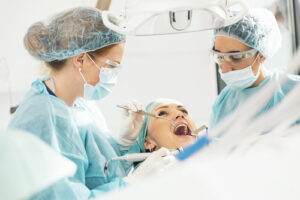
Tooth extraction is one of the most frequent causes of oral surgery. General dentists frequently do straightforward extractions, however teeth that are badly damaged or impacted may need to be surgically removed. Wisdom teeth are a common example because they frequently don’t have enough room to erupt correctly. If neglected, impacted wisdom teeth can cause crowding, pain, infection, and harm to nearby teeth. Surgical extraction promotes general dental health and helps avoid these issues.
Another crucial component of oral surgery is dental implant surgery. By substituting a titanium post that blends in with the jawbone for the tooth root, dental implants offer a long-lasting, aesthetically pleasing replacement for lost teeth. In addition to improving the smile’s appearance, this technique maintains bone structure and promotes healthy speech and chewing. To provide the best stability and long-term success, oral surgeons are highly educated to put implants precisely.
When it comes to treating disorders of the jaw, oral surgery is also essential. In order to restore appropriate alignment and function, patients with temporomandibular joint (TMJ) issues, facial injuries, or misaligned jaws may benefit from surgical intervention. In extreme situations, corrective jaw surgery—also referred to as orthognathic surgery—can enhance respiration, face balance, and bite alignment. To get complete outcomes, these procedures frequently complement orthodontic therapy.
Treating oral infections and pathology is a significant aspect of oral surgery. In the mouth or jaw, conditions like cysts, tumors, or abscesses need to be carefully evaluated and treated surgically. Since untreated infections or abnormal growths can spread and pose major health risks, early discovery and treatment are crucial. In order to remove sick tissue and preserve healthy structures whenever possible, oral surgeons are trained to undertake biopsies.
The comfort and safety of oral surgical treatments have been greatly enhanced by technological advancements. Accurate diagnosis and treatment planning are made possible by contemporary imaging methods, such as 3D cone beam CT scans. Advanced tools and minimally invasive surgical techniques assist lessen tissue damage, which promotes quicker recovery and reduced discomfort after surgery. In order to enable patients to endure treatments in a calm and stress-free manner, many oral surgery offices also provide sedative options.
Depending on the procedure’s complexity and kind, recovery following oral surgery varies, but for the best healing, appropriate aftercare is crucial. After surgery, patients are usually given comprehensive advice about food, dental hygiene, and activity limitations. A seamless recovery process is facilitated by controlling edema, adhering to medication regimens, and showing up for follow-up sessions. Most patients who receive the right care see noticeable improvements in their comfort and ability to work quickly.
In addition to treating current issues, oral surgery aims to avoid complications in the future. dental surgery promotes long-term dental health and general wellbeing by repairing impacted teeth, restoring lost teeth, and fixing structural problems. Beyond the mouth, several operations improve speech, nutrition, self-esteem, and overall quality of life.
To sum up, oral surgery provides cutting-edge treatments for intricate oral and face disorders, making it a crucial part of contemporary dentistry care. Oral surgery aids in the restoration of function, confidence, and health through expert surgical techniques, cutting-edge technology, and patient-centered care. Oral surgery is essential for preserving a solid basis for long-term oral health, whether it is used to treat pain, fix damage, or improve smile stability.