The specialty area of dentistry known as orthodontics is dedicated to identifying, preventing, and treating misaligned jaws and teeth. In addition to being aesthetically pleasing, proper alignment is also critical for general dental health. Brushing and flossing can be challenging when teeth are crooked or crowded, which raises the risk of gum disease, tooth decay, and other oral health issues. Using a range of methods and tools, orthodontic treatment seeks to improve bite function, improve facial appearance, and support long-term dental health.
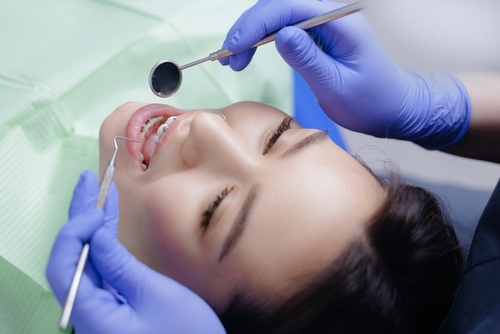
For many years, the mainstay of orthodontic therapy has been traditional braces. These methods gradually realign teeth using brackets, wires, and elastic bands. With alternatives like ceramic or clear braces that match the natural color of the teeth, modern braces are less conspicuous and more pleasant than they were in the past. A variety of alignment problems, such as overcrowding, spacing, overbites, underbites, and crossbites, can be effectively treated with braces.
For patients looking for a covert treatment option, clear aligner systems have grown in popularity as an alternative to traditional braces. Custom-made, detachable trays called clear aligners are used to progressively move teeth into their proper positions. Because they are almost undetectable, patients can continue to seem natural while receiving treatment. Unlike traditional braces, clear aligners are removable for eating, brushing, and flossing, making it easier to maintain good dental hygiene. Using computerized imaging, treatment plans are meticulously created to guarantee accurate tooth movement throughout time.
In addition to straightening teeth, orthodontic treatment tackles functional problems that may impact speaking, chewing, and jaw health. Malocclusions, or misaligned bites, can cause temporomandibular joint (TMJ) issues, migraines, uneven tooth wear, and jaw pain. In order to develop a thorough treatment plan that enhances both function and attractiveness, orthodontists assess the relationship between the teeth, jaws, and facial features. Adults can benefit from orthodontic treatment at any age, but early intervention in childhood or adolescence can prevent more serious issues later.
Frequent orthodontic appointments are necessary to track development and make required corrections. While clear aligners need a fresh set of trays at predetermined intervals, braces may require adjusting wires or replacing elastic bands. To get the best results within the anticipated timeframe, it is essential to wear appliances consistently and adhere to the orthodontist’s instructions. Depending on the case’s complexity, many therapies can last anywhere from a few months to many years.
Orthodontics can significantly improve self-confidence in addition to fixing alignment problems. A person’s appearance, social interactions, and oral hygiene practices can all be improved with a straight, well-aligned smile. The combined functional and cosmetic advantages of this profession are highlighted by the fact that patients who finish orthodontic treatment frequently report higher levels of satisfaction with their general dental health and an increase in self-esteem.
Retainers are usually recommended to maintain the teeth’s new position following active orthodontic treatment. By preventing relapse, retainers make sure that the long-term investment in treatment is maintained. Depending on the patient’s need and the orthodontist’s advice, they could be fixed or detachable. Retainer use along with routine dental exams helps maintain the effects and track general oral health.
Orthodontic treatment is now more accurate and comfortable than ever because to technological developments. Orthodontists can view and forecast tooth movement with astonishing accuracy with to digital scanning, 3D imaging, and computer-assisted treatment planning. For patients of all ages, this increases therapy effectiveness, lessens discomfort, and improves results.
In conclusion, orthodontics is an essential component of dental treatment that enhances the beauty and functionality of the teeth and jaws by fusing science, technology, and artistry. Orthodontic treatment improves dental health, avoids future difficulties, and increases confidence by treating alignment and bite issues. Orthodontics gives patients the means to get a healthier, more appealing, and long-lasting smile, whether through clear aligners or traditional braces.